2026 RTG Hackathon
10 cross-functional teams. One day. One challenge: build an AI-powered system that helps organizations truly understand and improve productivity.
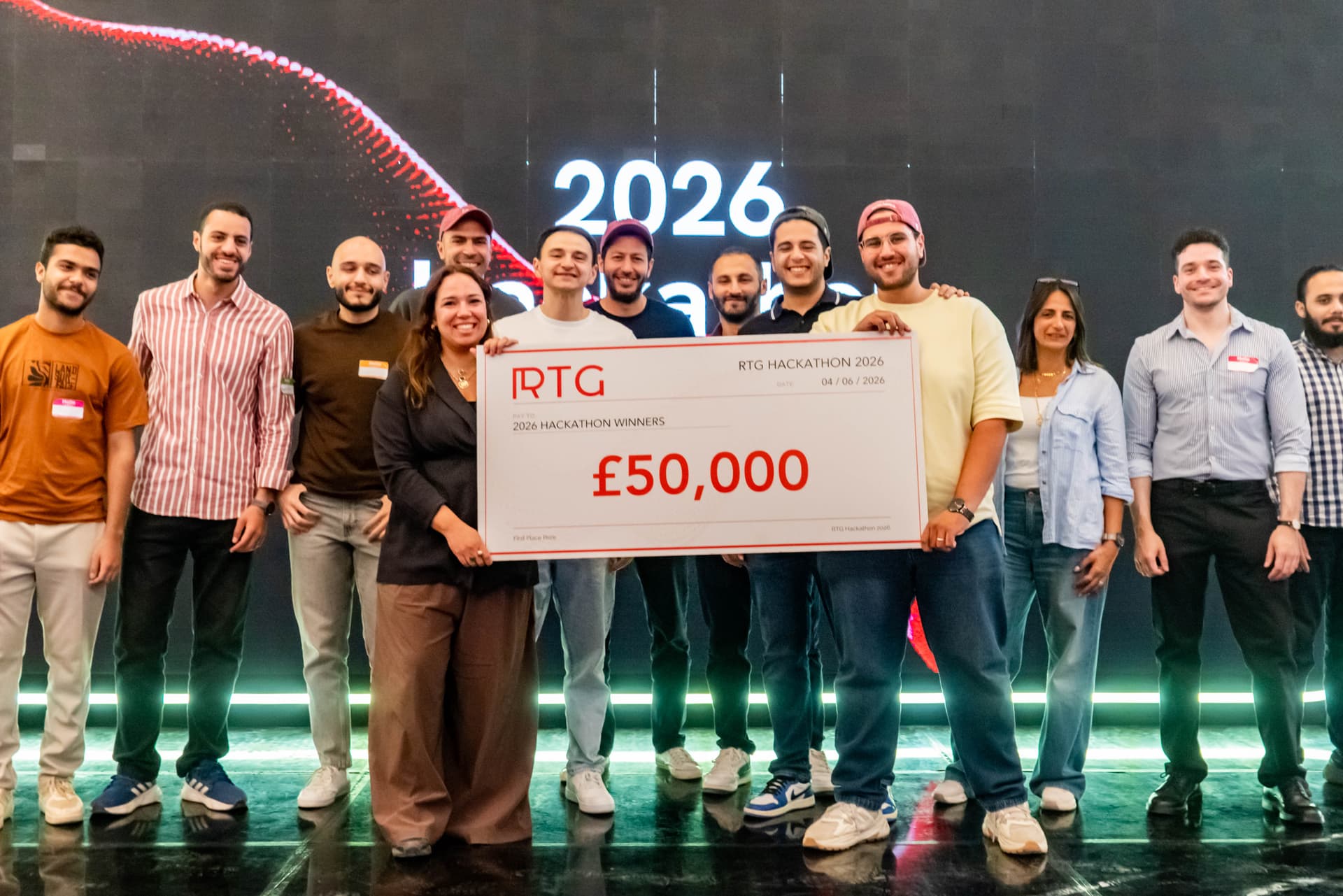
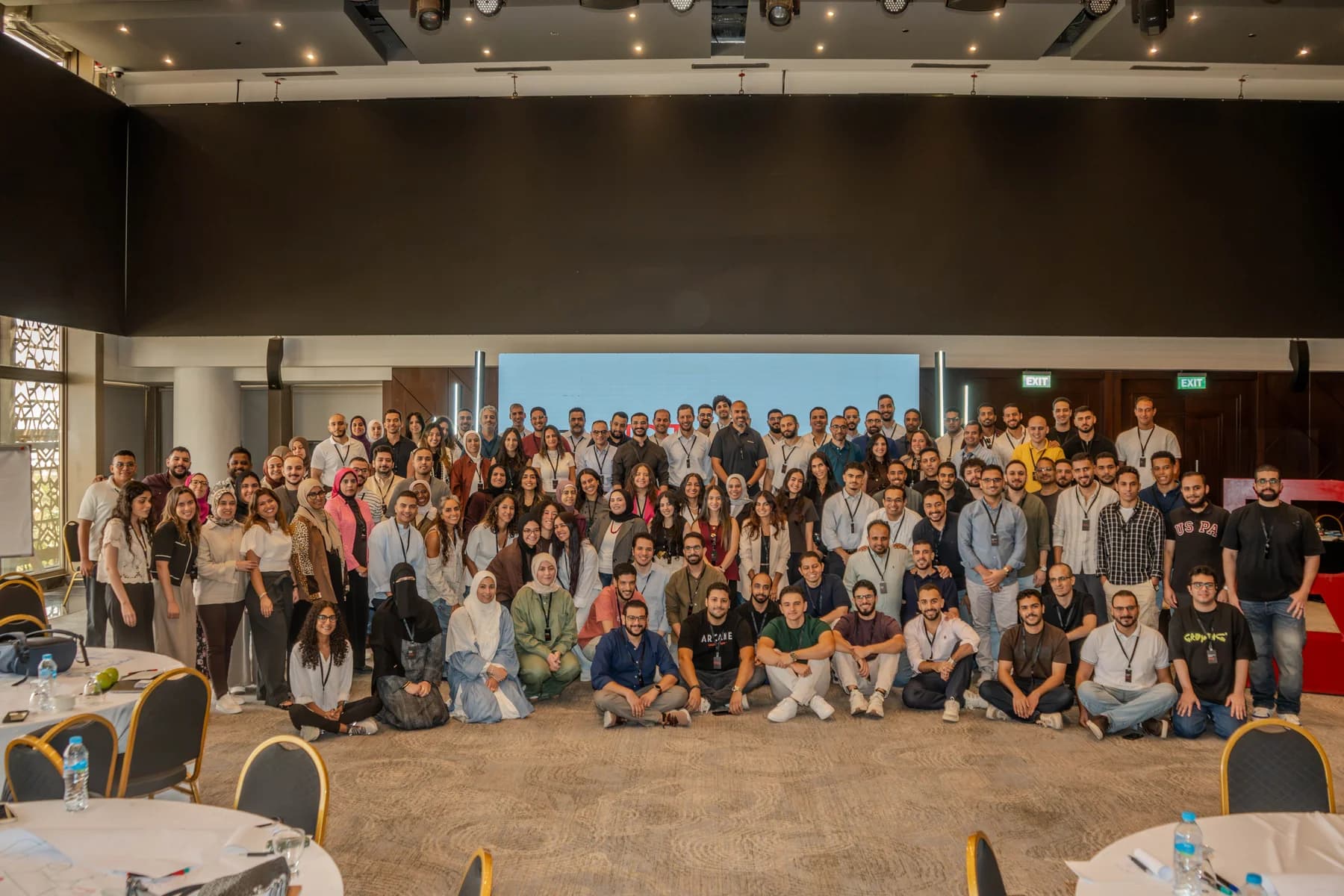
On June 4th, 2026, RTG brought its people together at Townhall by Kamelizer in District 5 for the 2026 RTG Hackathon — a full-day sprint running from 9:00 AM to 7:00 PM. 10 teams, each assembled with a deliberate mix of disciplines — engineering, product, design, commercial, and crew (HR, TA, finance & business folks) — every team needed to go from idea to shipped product in a single day.
The Challenge
This year's hackathon prompt was intentionally wide open:
Build a working AI-powered system that helps organizations understand and improve productivity.
There was no predefined framework — because the core challenge wasn't to track metrics. It was to define what productivity actually means, decide what signals matter, and build a system that can interpret data and produce useful recommendations or actions.
The guiding principle of the day was simple:
"We're not looking for better dashboards. We're looking for better intelligence."
That meant teams had to go beyond reporting and into reasoning — connecting signals to context, making interpretations, and proposing actions that a team could actually take.
How Projects Were Judged
Teams were evaluated across a balanced scorecard that rewarded both strong thinking and strong execution:
- Clarity & logic of the productivity model — 20%
- AI utilization — 20%
- Functionality & execution — 20%
- Quality of insights & recommendations — 15%
- Integrations & data usage — 10%
- UX & usability — 10%
- Role reversal execution — 5%
Halftime Chaos: The Power Cards
At halftime, things got… competitive.
Each team had one "Power Card" they could play — only once, only at halftime, and never on themselves. Every team could be targeted at most once, which made strategy just as important as speed.
- TALENT SWAP — take a member from another team
- FREEZE — pause a team for 15 minutes
- ANALOG MODE — no laptops for 20 minutes
- SILENT MODE — no speaking for 20 minutes
- SHIELD BREAKER — cancel another card
A Day Built for Shipping
By the end of the day, teams had not only collaborated across disciplines — they had built, deployed, and published working products under real constraints, with a shared focus on outcomes: understanding productivity and improving it through AI-driven reasoning and actionability.
The 2026 RTG Hackathon showed what happens when you give teams autonomy, a meaningful problem, and the time to build together: new ideas surface quickly, ownership scales naturally, and innovation becomes something you can see and use — not just talk about.
A big thank-you to everyone who participated, led teams, supported logistics, and brought the energy. The output of the day wasn't just projects—it was momentum.
Gallery
Want to work with us?
Get in touch with the RTG team